
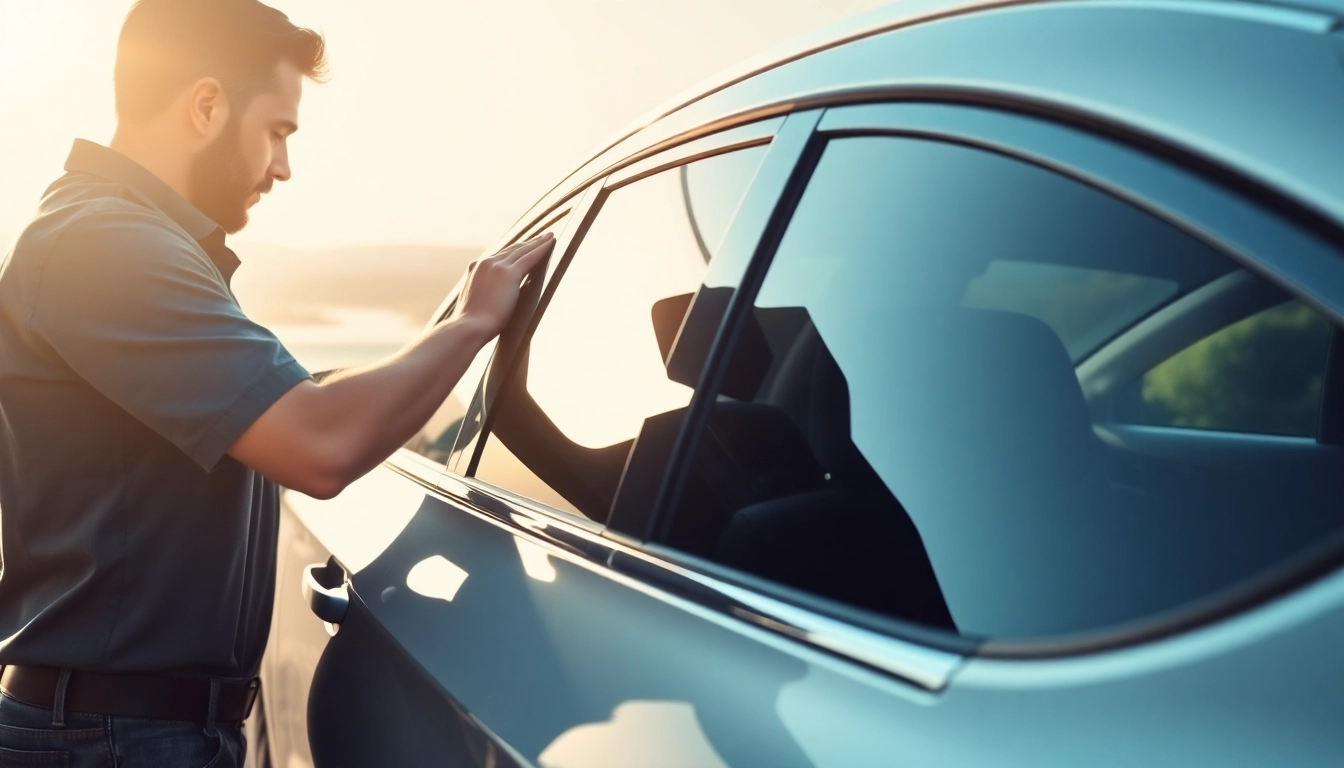
Understanding Window Tinting Options
When it comes to enhancing your vehicle’s performance and aesthetics, selecting the best window tint Chattanooga TN has never been more essential. With a variety of tinting options available, understanding the differences will help you make an informed choice that meets both your needs and budget.
Types of Window Tint
Window tinting films can be broadly categorized into several types, each with unique characteristics and benefits. The most common types include:
- Dyed Window Film: This is the most affordable option, offering basic UV protection and privacy. Dyed films reduce glare but do not significantly block heat.
- Metalized Window Film: This film contains small metallic particles that reflect heat and UV rays, enhancing durability and privacy. However, it may interfere with electronic signals.
- ceramic Window Film: This high-end option blocks up to 99% of harmful UV rays while providing excellent heat rejection without interference with electronic devices.
- Hybrid Window Film: This is a combination of dyed and metalized films, offering the benefits of both—good heat rejection and glare reduction while maintaining a more subtle appearance.
Benefits of Window Tinting
Choosing to tint your vehicle’s windows provides numerous advantages that go beyond aesthetics:
- UV Protection: Window tint helps to block harmful UV rays, reducing the risk of skin damage and interior fading.
- Heat Rejection: Tinted windows can significantly lower the temperature inside your vehicle, leading to increased comfort and less reliance on air conditioning.
- Enhanced Privacy: Tinted windows offer a level of privacy, preventing outsiders from easily viewing the interior of your vehicle.
- Glare Reduction: Tinted films can minimize glare from the sun and headlights, improving visibility while driving.
- Increased Safety: Window tint can help hold shattered glass together in the event of an accident, reducing the risk of injury.
Legal Regulations in Chattanooga
Before applying window tint, it’s crucial to understand the legal regulations specific to Chattanooga. The state of Tennessee has specific rules regarding the allowable tint percentages on various windows of vehicles:
- Windshield: Must allow over 70% of light in, with the exception of a non-reflective strip at the top.
- Front Side Windows: Must allow more than 35% of light in.
- Back Side Windows and Rear Window: No restrictions on darkness.
It’s important to ensure that any window tinting applied adheres to these regulations to avoid potential fines or issues during vehicle inspections.
Choosing the Best Window Tint Chattanooga TN
Finding the perfect window tint requires considering various factors that contribute to overall performance and effectiveness. Below are important attributes to consider when evaluating options.
UV Protection Features
One of the most significant advantages of window tinting is its ability to block UV radiation. High-quality window tints can filter out 99% of harmful UV rays, protecting both your skin and your car’s interior from fading and damage. When selecting a tint, look for films that specifically advertise superior UV protection to ensure the best defense.
Heat Rejection Performance
Heat rejection is another critical factor to consider. Different films have varying levels of heat rejection capabilities, which can significantly impact your vehicle’s comfort. Ceramic films are typically the best performers in this category, blocking a high percentage of infrared light that contributes to heat buildup inside the car. Assessing heat rejection ratings can help you choose a tint that will keep your vehicle cooler in the sweltering Tennessee sun.
Clarity and Visibility
While darker tints may enhance privacy, they can also compromise visibility. Opt for high-quality films that maintain optical clarity and visibility. Look for products that offer a balance between darkening the glass and ensuring you can see clearly, especially during nighttime driving. Optical clarity is essential for both safety and aesthetic appeal.
Installation Process Explained
The installation process for window tinting can vary depending on whether you choose to go with professional installation or opt for a DIY approach. Understanding the steps involved in either method can help you prepare accordingly.
Pre-Installation Steps
Before installation, it’s essential to prepare your vehicle appropriately. Clean all windows thoroughly to remove dirt, grime, and oils that can interfere with the film’s adhesion. Additionally, measure each window accurately to ensure the film is cut to the correct dimensions.
Professional vs. DIY Installation
While DIY window tint kits are available and can be cost-effective, professional installation is often recommended for the best results. Professionals have the experience and tools necessary to ensure a perfect, bubble-free application. A poorly installed tint can lead to peeling, bubbling, and reduced effectiveness, costing more in the long run.
Aftercare for Longevity
Post-installation care is crucial for maintaining the integrity of your window tint. It’s typically recommended to avoid rolling down the tinted windows for at least a few days to ensure proper adhesion. Additionally, using a soft cloth for cleaning and avoiding ammonia-based products will help preserve the tint’s quality over time.
Comparing Costs for Window Tinting
The cost of window tinting can vary widely based on several factors. Understanding these factors will help you budget effectively for this enhancement.
Factors Influencing Cost
Some of the key factors influencing the cost of window tinting include:
- Type of Film: High-quality films, like ceramic options, tend to be more expensive than standard dyed films.
- Number of Windows: The more windows you tint, the higher the total cost.
- Professional vs. DIY: Professional installation will incur labor costs, while DIY options can save you money if you already have the tools.
- Location: Labor rates can vary based on where you have the tint installed.
Average Pricing in Chattanooga
In Chattanooga, the price for window tinting typically ranges from $200 to $600, depending on the factors mentioned above. On average, you can expect to pay around $400 for full vehicle tinting using mid-range quality films. Always request quotes from multiple installers to ensure you’re getting a fair price.
Cost-Benefit Analysis
While the initial cost of window tinting may seem steep, the long-term benefits often justify the investment. Consider fuel savings from reduced air conditioning use, increased resale value due to preserved interiors, and improved comfort from heat rejection. This analysis often reveals that window tinting is not just a cosmetic upgrade but a practical investment.
FAQs About Window Tinting in Chattanooga
What is the process of window tinting?
Window tinting involves applying a thin film to your vehicle’s windows that blocks UV rays, reduces heat, and enhances privacy. The process entails cleaning the windows, cutting the film to size, and carefully applying it to the glass.
How long does window tint last?
Quality window tints can last anywhere from 5 to 15 years, depending on the type of film used, installation quality, and adherence to maintenance guidelines. Investing in premium films could extend longevity significantly.
Is window tinting worth the investment?
Yes, window tinting is worth the investment as it provides UV protection, improves comfort by reducing heat, enhances privacy, and can even potentially raise the vehicle’s resale value.
What is the darkest legal tint in Chattanooga?
The darkest legal tint in Chattanooga for front windows must allow more than 35% light in, while back windows and rear windows have no restrictions. Always ensure to follow state regulations for compliance.
Can I remove window tint myself?
While it is possible, removing window tint can be challenging and may risk damaging the window. It is often recommended to have a professional handle the removal to avoid potential issues.
