
Emerging Trends in Gaming Technology for 2026
The gaming industry is on an exciting trajectory as we head into 2026, with technological advancements influencing how games are developed, played, and interacted with. The rapid evolution of gaming technology is not only enhancing user experiences but also expanding market reach globally. From virtual reality to artificial intelligence, these trends are poised to reshape the gaming landscape significantly. As gamers, enthusiasts, and developers, it is crucial to stay informed about these changes and adapt accordingly. For those seeking a comprehensive gaming platform, https://www.mpocash.net/ offers various resources and tools that can enhance your gaming journey.
Virtual Reality and Augmented Reality Advances
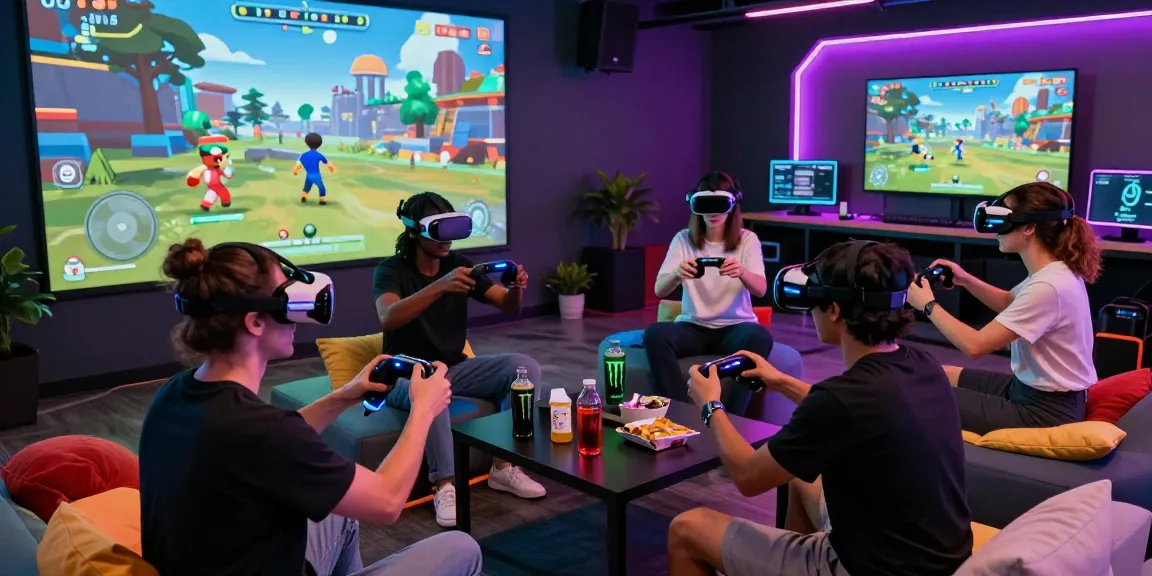
In 2026, virtual reality (VR) and augmented reality (AR) technologies are set to revolutionize gaming in ways previously thought impossible. VR headsets are becoming more affordable, portable, and user-friendly, encouraging mass adoption among gamers. The ability to immerse oneself in virtual environments provides an engaging experience that traditional gaming cannot match. Moreover, AR is enhancing gameplay by integrating the real world with digital elements, allowing for unique interactions and experiences.
For example, developers are now building games that utilize real-world locations as part of their gameplay mechanics, much like Pokémon GO did in its prime. The introduction of haptic feedback technology in VR systems further enriches the user experience by providing tactile responses to in-game actions, making every experience more interactive and realistic.
Cloud Gaming: The Future of Accessibility
Cloud gaming is another significant trend predicted to dominate in 2026, offering gamers unprecedented accessibility. With the ability to stream games directly to devices without the need for high-end hardware, cloud gaming allows players to enjoy AAA titles on lower-spec devices. This democratisation of gaming is set to engage a broader audience and provide opportunities for developers to reach new markets.
Platforms like Google Stadia and NVIDIA GeForce NOW are leading the charge, allowing gamers to access their favorite titles from anywhere with a stable internet connection. This shift also means gaming can become more of a service, impacting how games are marketed and monetized. As developers create games that can be played seamlessly across platforms, the emphasis on cross-compatibility will become a focal point for future releases.
AI Integration in Game Development
Artificial intelligence (AI) is transforming game development, enhancing both gameplay mechanics and player interactions. AI is being used to create more realistic non-playable characters (NPCs) that learn from player behavior, adapt to strategies, and provide a more engaging gameplay experience. This makes games more dynamic, encouraging players to explore different tactics and strategies.
Moreover, AI is streamlining the development process itself, allowing for procedural generation of game worlds and assets, resulting in richer content with less manual effort. This technology helps developers bring expansive, immersive worlds to life faster than ever, catering to the ever-increasing demand for engaging gameplay.
Understanding the Evolving Gaming Landscape
As the gaming industry evolves, understanding the changing demographics and preferences of gamers is essential for developers and marketers alike. The rise of new gaming platforms, trends, and social dynamics is shaping what players are looking for in their gaming experiences.
Changes in Gamer Demographics and Preferences
Today's gamers are diverse, encompassing a wide range of ages, backgrounds, and gaming preferences. The industry is witnessing a significant shift, with more women and older adults participating in gaming than ever before. Game developers are responding by creating more inclusive content that resonates with a broader audience. This means that games focusing on diverse characters, storylines, and genres are more likely to succeed in the market.
As players seek more community-oriented experiences, social gaming and multiplayer platforms are becoming increasingly important. Games that foster collaboration and competition among players tend to attract and retain larger audiences. Thus, understanding the specific preferences of target demographics becomes critical for developers aiming to capture the market.
The Impact of Mobile Gaming Trends
Mobile gaming continues to grow rapidly, driven by advancements in smartphone technology and the increasing accessibility of the internet. The convenience of gaming on mobile devices has created a dedicated audience that prefers casual and social gaming experiences. As a result, games that are easy to pick up and play are gaining traction, appealing to a broader audience, including those who may not identify as traditional gamers.
In 2026, the integration of augmented reality in mobile games will further enhance interactivity, allowing players to engage with the game in their physical environments. Developers should consider creating games that harness the power of mobile technology to capture this expanding market segment.
Social Gaming and Community Building Strategies
Community remains at the heart of gaming culture, with players seeking connections not just through gameplay, but through shared experiences. Social gaming platforms are emerging, allowing players to interact, collaborate, and compete with one another in enriching environments. Building a robust online community enhances player retention and engagement.
Developers should invest in features that facilitate social interactions, such as integrated chat functions, forums, and community events. By fostering a sense of belonging, gaming companies can ensure that players remain engaged and loyal to their platforms.
Strategies for Enhancing User Engagement on Gaming Platforms
In a competitive market, retaining user engagement is critical for the success of any gaming platform. With the continuous evolution of gamer expectations, platforms must adopt innovative strategies to keep users invested in their experiences. Here are some strategies that developers and publishers should consider implementing.
Creating Dynamic Content: User-Generated and Live Events
User-generated content (UGC) is an effective way to boost engagement while encouraging creativity among players. By allowing users to create and share their modifications, maps, and game modes, developers can cultivate a community-driven environment that keeps the gaming experience fresh. This not only enhances gameplay but also invites players to become more invested in the game.
Additionally, live events and updates can create excitement and anticipation, driving players back to the platform. For example, seasonal events or game launches can instill a sense of urgency, prompting players to engage with the content actively.
Utilizing Data Analytics for Player Experience Customization
Data analytics play a vital role in understanding player behavior and preferences. By analyzing gameplay data, developers can identify trends, preferences, and pain points, allowing them to tailor experiences to maximize user satisfaction. Offering personalized game recommendations based on a player’s history can significantly enhance engagement levels.
Incorporating feedback mechanisms, such as surveys and forums, can provide valuable insights into players’ desires, helping developers refine their offerings based on real-time data.
Effective Monetization Techniques for 2026
Monetization strategies are evolving alongside gaming technology, and developers must find a balance between revenue generation and user satisfaction. Trends such as microtransactions, battle passes, and subscription models are becoming more common. While these methods can be lucrative, it is crucial to implement them thoughtfully to avoid alienating players.
Strategies that prioritize transparency and value for players will foster goodwill and loyalty. For example, ensuring that in-game purchases do not provide unfair advantages can promote a fair playing environment and encourage player retention.
Best Practices for Game Developers and Publishers
As the gaming landscape continues to evolve, developers and publishers must adopt best practices to ensure the longevity and success of their games. By focusing on inclusive design, cybersecurity, and player satisfaction, the industry can create sustainable gaming environments.
Implementing Inclusive Design Principles
Inclusive design is essential for catering to a diverse audience. Developers should consider accessibility features such as adjustable text sizes, colorblind modes, and customizable controls. By making games playable for everyone, companies can expand their reach and foster a more inclusive gaming community.
Ensuring Cybersecurity in Gaming Environments
As gaming platforms become increasingly integrated with social networks and online marketplaces, cybersecurity has become a top priority. Developers must implement robust security measures to protect player data and ensure a safe gaming experience. Regular updates and security audits are crucial to safeguarding against potential threats.
Balancing Monetization with Player Satisfaction
Lastly, striking the right balance between monetization and player satisfaction is vital for long-term success. While generating revenue is essential, developers should focus on creating value for players. This approach will lead to a loyal player base that willingly supports the platform through purchases, subscriptions, and word-of-mouth promotion.
Preparing for the Future: What Gamers Should Know
As gamers, staying informed about upcoming trends and innovations is essential for adapting to the dynamic gaming landscape of 2026. Understanding what to expect can help gamers make informed decisions about their gaming experiences and communities.
Upcoming Game Releases and Genre Innovations
The gaming calendar for 2026 is already filled with exciting releases across various genres. Some of the most anticipated titles include innovative RPGs that promise deep narrative experiences and action-packed adventures that push the boundaries of graphics and gameplay mechanics. Keeping an eye on industry announcements will help gamers plan their budgets and gaming schedules accordingly.
Building a Sustainable Gaming Community
Engaging with gaming communities and social platforms can enhance the gaming experience. Players should seek out forums, social media groups, and platforms where they can share ideas, strategies, and experiences. Building connections with like-minded individuals can create a support network that enriches the gaming journey.
Future-Proofing Your Gaming Skills and Knowledge
Adapting to the evolving gaming landscape requires continuous learning and skill development. Gamers should actively seek opportunities to enhance their skills through online tutorials, gaming workshops, and community events. By staying informed and adaptable, players can future-proof their gaming abilities and remain competitive in the dynamic world of gaming.
What are the latest gaming technologies?
Emerging technologies such as VR, AR, and AI are setting the stage for the future of gaming, offering immersive experiences and dynamic gameplay mechanisms.
How can gamers enhance their experience on platforms like https://www.mpocash.net/?
By engaging with community features, exploring user-generated content, and participating in live events, gamers can significantly enhance their experiences on gaming platforms.
What are the trends in game development for 2026?
Key trends include the increased use of AI, cloud gaming solutions, and a focus on inclusive design, ensuring a diverse range of players can enjoy gaming.
How do social dynamics influence gaming communities?
Social interactions shape player engagement and retention, highlighting the importance of community in fostering loyalty and connection among players.
What should developers focus on for player retention?
Developers should prioritize user engagement through dynamic content, personalized experiences, and a balance between monetization and satisfaction to retain players effectively.