
Understanding the World Cup 2026
The World Cup is not just a tournament; it is a celebration of soccer that unites fans from every corner of the globe. As we approach the world cup 2026, excitement is building. This edition promises to be unlike any other, featuring unique elements that reflect the evolving landscape of global football. From a more inclusive format to state-of-the-art facilities, the anticipation is palpable among fans, players, and organizers alike.
What Makes World Cup 2026 Unique?
The 2026 World Cup is set to be a landmark event, introducing several groundbreaking changes that reflect soccer's growing popularity in North America. For the first time, the tournament will feature 48 teams, expanding from the traditional 32, which allows for greater representation from all FIFA confederations. This change not only diversifies the competition but also provides an opportunity for smaller footballing nations to showcase their talents on the world stage. Moreover, the tournament will be hosted jointly by three countries: the United States, Canada, and Mexico, a collaboration that highlights the interconnected nature of soccer globally.
The Host Cities and Stadiums
The venues for the World Cup 2026 have been carefully selected to enhance the experience for fans and players alike. Major cities across the three host countries, including New York, Los Angeles, Toronto, and Mexico City, will serve as the backdrop for the matches. Each city brings its unique culture and passion for soccer, ensuring that the atmosphere will be electric. Stadiums such as MetLife Stadium in New Jersey and the Rose Bowl in Pasadena will undergo renovations to meet FIFA's standards, providing fans with state-of-the-art viewing experiences. The intent is not just to host games but to create an unforgettable event that champions inclusivity and accessibility.
Historical Significance of the Tournament
The 2026 edition of the World Cup will also mark the first time since 1994 that the tournament returns to the United States. This historical context adds layers of significance, particularly as soccer continues to grow in popularity within the U.S. The legacy of the 1994 World Cup saw the establishment of Major League Soccer (MLS), and many hope that the 2026 tournament will further elevate soccer's status in North America, influencing a new generation of players and fans.
Fan Experience: Preparing for Match Days
Preparation is key to having a memorable experience at the World Cup. Fans traveling to the tournament must familiarize themselves with not just their teams and the tournament structure, but also the logistics surrounding match days. Understanding the cities, transportation options, and cultural norms will enhance their overall experience.
Best Strategies for Attending Matches Live
To make the most of attending matches live, fans should plan their travel early. Securing accommodations well in advance is essential, especially in host cities that may experience high demand. It is advisable to keep an eye on ticket releases and purchase them from official sources to avoid counterfeit issues. Moreover, engaging with local soccer communities online can provide insights into the best venues for pre-match festivities, allowing fans to immerse themselves fully in the local culture.
How to Maximize Your Game-Day Experience
On match days, arriving early can enhance the overall experience. This gives fans the chance to explore fan zones, which are typically vibrant spaces with food, merchandise, and entertainment. Engaging with other fans before the match can help build camaraderie and create lasting memories. Additionally, fans should consider utilizing public transport to avoid traffic congestion around stadiums.
What to Expect from the Atmosphere
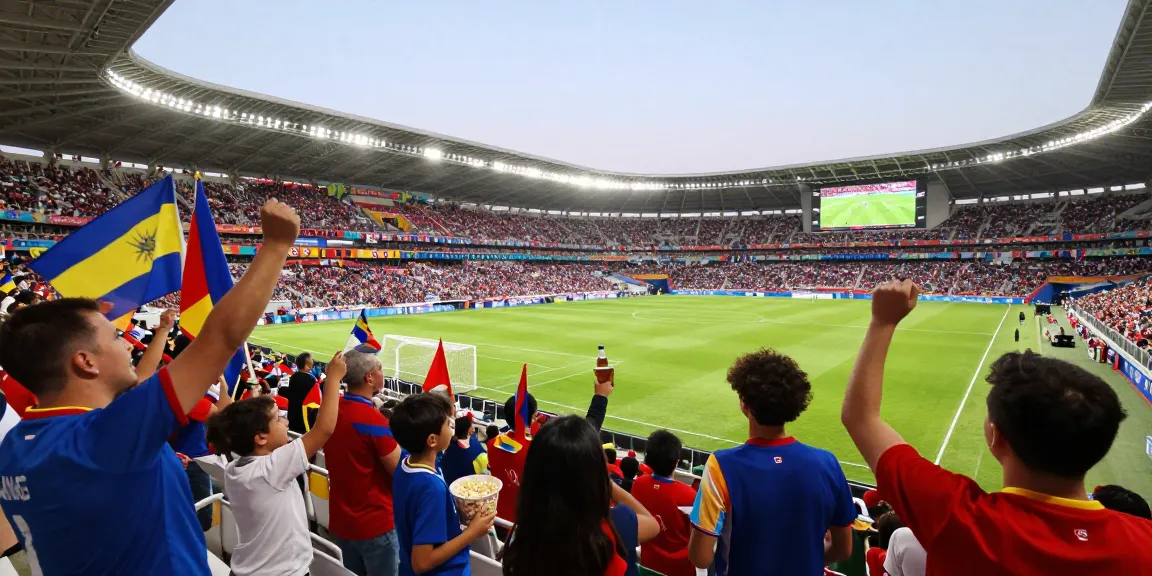
The atmosphere at a World Cup match is unparalleled. Expect to witness passionate displays of national pride, with fans donning colors, waving flags, and sharing chants. The sense of unity among supporters will be infectious, fostering an environment where rivalries exist on the pitch, but camaraderie thrives in the stands. The excitement and anticipation build up as the match approaches, making every game an exhilarating experience.
Broadcasting and Streaming Options
As the digital landscape evolves, so too do the ways fans can engage with the World Cup. The 2026 tournament will be available through various broadcasting and streaming options, catering to different viewer preferences.
Available Coverage Platforms for World Cup 2026
Major networks across the host countries will secure broadcast rights, ensuring that matches will be available through traditional television as well as online streaming services. Platforms like ESPN, Fox Sports, and Telemundo are expected to provide comprehensive coverage, including pre-game analyses, post-match discussions, and live commentary.
Best Practices for Watching Games Live
For a seamless viewing experience, fans should familiarize themselves with the platforms airing the matches, including any required subscriptions or sign-ups. It’s also recommended to create a game-watching schedule according to the time zones of the matches, especially for international fans. Engaging in social media discussions during matches can enhance the viewing experience, as fans share reactions and insights in real-time.
Subscription Costs and Value Comparisons
With multiple options available for viewers, comparing subscription costs is essential for those who wish to follow the tournament closely. While some services may offer comprehensive packages that include all matches, others might charge per event. Exploring free trial options can also provide fans with the chance to experience premium content without immediate commitment.
Soccer Culture and Community Engagement
The World Cup is more than just a series of matches; it is a catalyst for community engagement and cultural exchange. Its impact reaches beyond the stadiums, influencing local communities and fostering connections among fans.
How the World Cup Unites Fans Worldwide
Soccer has the unique ability to transcend boundaries, and the World Cup is a prime example of this phenomenon. Fans from different backgrounds, cultures, and nations come together to share their love for the game. Whether through watching matches in person or participating in viewing parties, the World Cup fosters a sense of belonging and solidarity among supporters, creating bonds that often last well beyond the tournament.
Local Events and Viewing Parties
Many cities host viewing parties that allow fans to gather in large groups to watch matches. These events are often organized at public parks, stadiums, and bars, where the atmosphere is electric. Local businesses typically thrive during the tournament, benefiting from the influx of fans and tourists eager to partake in the festivities.
The Impact on Soccer Development and Youth Programs
The World Cup also plays a crucial role in the development of soccer at the grassroots level. In the wake of the tournament, many countries invest in youth programs, building infrastructure and providing resources to nurture young talent. These initiatives are essential for the long-term growth of the sport, ensuring that future generations have the opportunity to participate and excel.
Future Trends in Sports Broadcasting
The evolution of technology continues to reshape how fans consume sports content, and the World Cup 2026 will be at the forefront of this transformation.
Emerging Technologies Enhancing Viewer Experience
New technologies such as 4K streaming, advanced graphics, and real-time statistics will enhance the way fans experience matches from home or on-the-go. Innovations in broadcasting will make it easier for fans to stay engaged, providing them with detailed insights and alternative camera angles that were previously unavailable.
Virtual Reality and Augmented Reality in Sports
Virtual and augmented reality are poised to revolutionize the way fans engage with the World Cup. Imagine being able to sit in a virtual stadium with fellow fans around the world or experiencing a match from the perspective of a player on the field. These immersive experiences may soon be part of regular sports broadcasting.
The Role of Social Media in Engaging Fans
Social media platforms play an increasingly significant role in connecting fans to the World Cup. Whether through live updates, behind-the-scenes content, or fan interactions, social media enhances the overall experience, allowing fans to engage in discussions and share their views across the globe. It also serves as a platform for broadcasters to promote content and engage viewers in innovative ways.
What are the key teams to watch in World Cup 2026?
Several teams have established themselves as powerhouses in international soccer and are expected to perform well in the upcoming tournament. Nations like Brazil, Germany, and France, with their rich footballing histories, consistently produce top talent. Additionally, emerging teams such as Canada and the U.S. may surprise fans with their performances, given their home advantage and recent development in their soccer programs.
How will ticket sales impact attendance?
The anticipation surrounding ticket sales can create tremendous excitement among fans. Early sales have shown an overwhelming demand, suggesting that attendance may surpass expectations. However, pricing strategies and the economic landscape may influence how accessible tickets are for the average fan, making it crucial for organizers to find a balance that benefits everyone.
What innovative features can we expect in broadcasts?
Advancements in broadcasting technology will introduce features such as enhanced commentary, interactive fan polls, and personalized viewing options. These innovations are aimed at keeping viewers engaged and making the experience more dynamic, encouraging them to share their thoughts and reactions during matches.
How are different countries preparing for the event?
Each host country is implementing its strategies to prepare for the World Cup. The U.S. is focusing on upgrading infrastructure, including transportation and stadium facilities. Canada is emphasizing community engagement to stimulate local interest, while Mexico aims to leverage its rich soccer culture to create a festive atmosphere. Collaboration among the three nations is key to ensuring a seamless experience for fans and participants.
What legacy will World Cup 2026 leave behind?
Beyond the matches played, the legacy of the World Cup 2026 will be reflected in its impact on soccer culture, infrastructure, and youth development. It is expected to inspire a generation, instilling a love for soccer in young fans and players alike. This tournament has the potential to solidify soccer's position as a major sport in North America and to foster a global community of passionate supporters.