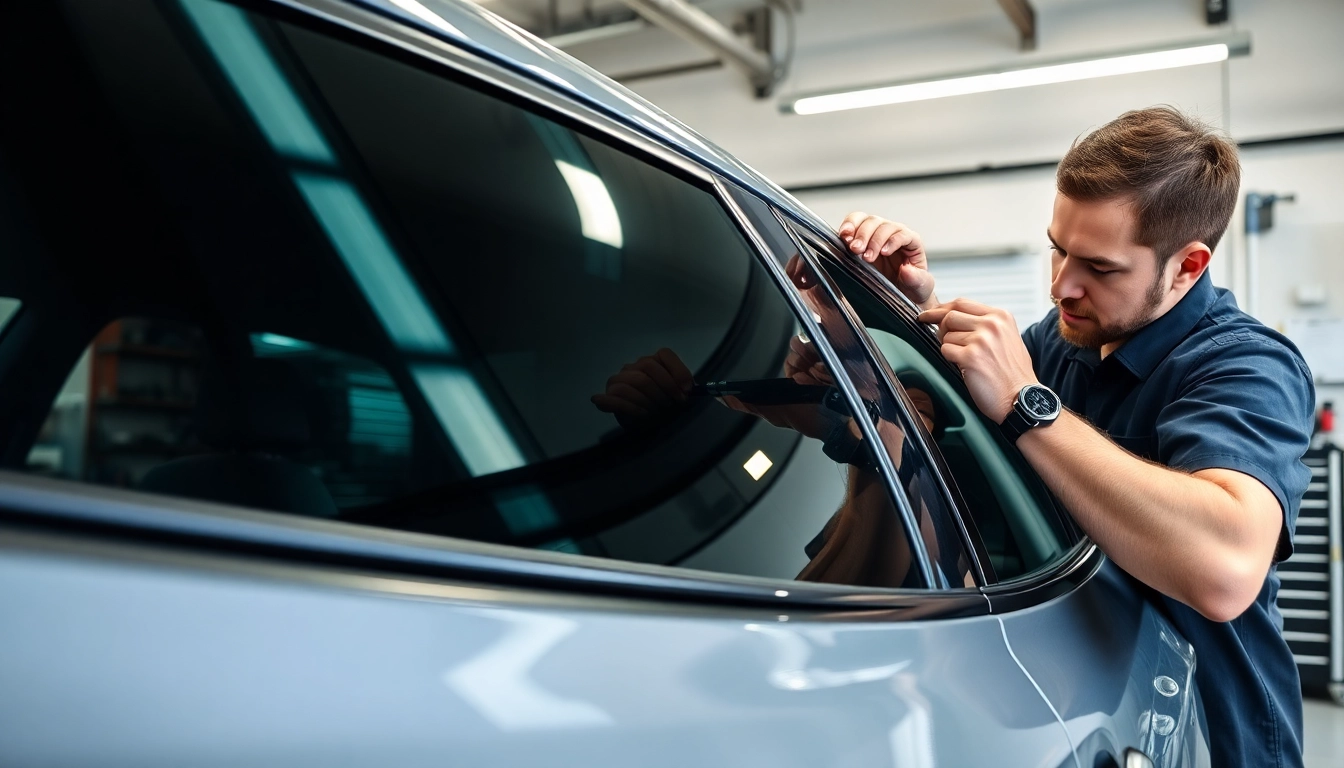
Understanding Window Tint Near Me
What is Window Tint?
Window tint refers to a thin film or coating applied on the windows of vehicles and buildings to enhance privacy, reduce glare, and improve aesthetic appeal. This film can vary in darkness and reflectivity, impacting how light interacts with the interior space. Many consumers search for window tint near me to find local providers who can install this feature professionally, making it a popular choice for both personal and commercial use.
Types of Window Tint Materials
Window tint films come in various types, and each has unique properties and benefits:
- Dye-Tinted Film: This type uses dye to absorb solar heat. It offers a basic level of tint but can fade over time, making it less durable than other options.
- Metalized Film: Enhanced with metal particles, this film reflects heat and UV rays while offering increased durability. It is less prone to fading and provides better privacy.
- Hybrid Film: Combining the properties of dye and metalized films, hybrid films are designed to provide the best of both worlds, offering good heat rejection and aesthetic quality.
- Ceramic Film: One of the most advanced options available, ceramic films block UV rays and heat without affecting visibility or signal transmission. They are known for their longevity and high performance.
- Carbon Film: This type effectively blocks infrared radiation and lasts longer without fading, making it a better choice compared to dye film.
Benefits of Window Tinting
There are numerous advantages to installing window tint:
- Heat Reduction: Tinted windows can significantly reduce heat gain, leading to a cooler interior environment and decreased reliance on air conditioning.
- UV Protection: Window films block up to 99% of harmful UV rays, protecting both the vehicle's interior and occupants from potential health risks.
- Enhanced Privacy: Tinted windows provide an added layer of privacy, making it difficult for outsiders to see inside, thus enhancing personal security.
- Glare Reduction: By driving with tinted windows, glare from the sun or headlights is minimized, leading to a more comfortable and safer driving experience.
- Improved Aesthetics: Beyond functionality, window tint can enhance the look of your vehicle or property, giving it a sleek and modern appearance.
Choosing the Right Window Tint
Factors to Consider
When selecting window tint, consider various essential factors:
- Purpose: Determine whether you need tint for heat reduction, UV protection, aesthetics, or privacy.
- Legal Regulations: Window tint laws vary by state and locality. Understanding local restrictions will guide your selection.
- Budget: Choose a tint that fits your budget while considering long-term benefits. Higher quality tints can lead to better durability and performance.
- Type of Vehicle: Different vehicles may require different films, especially as the curvature and size of windows can impact installation.
- Brand Reputation: Research and choose tints from reputable brands known for their quality and longevity.
Comparing Different Tints
Understanding the differences between the various types of films is crucial for making an informed decision. Comparison points include:
- Performance: Assess each type based on its ability to block UV rays, heat rejection, and glare reduction.
- Visual Appearance: Although all films serve a practical purpose, their appearance may differ, impacting your choice based on personal preference.
- Durability: Consider the longevity of the film and its warranty details before sealing the deal.
- Installation Cost: Analyze the overall costs, including materials and professional installation fees, when comparing options.
Legal Regulations in Your Area
Before choosing a window tint, it’s crucial to understand your area's legal regulations concerning tint darkness and types. Laws can dictate how dark a film can be and where it can be applied on a vehicle. Violating these regulations can lead to fines and additional costs. Checking with local authorities or websites that maintain up-to-date tint regulations is recommended to avoid any future issues.
Window Tint Installation Process
DIY vs. Professional Installation
The decision between DIY and professional installation can significantly impact the final outcome of your window tint:
- DIY Installation: While cost-effective, this option requires careful preparation, dexterity, and patience. Mistakes can lead to bubbles, creases, or misalignment, which may necessitate professional help later.
- Professional Installation: Hiring experts ensures a perfect fit, warranty coverage, and peace of mind. Professionals are familiar with various films, tools, and techniques to achieve optimal results.
Step-by-Step Installation Walkthrough
- Gather Materials: This includes the tint film, a heat gun (if needed), a squeegee, a utility knife, and cleaning supplies.
- Clean the Windows: Thoroughly clean the windows to remove dirt, grease, and grime. Ensure they are completely dry.
- Measure and Cut Film: Measure your window dimensions and cut the film slightly larger than needed.
- Apply Window Film: Use a spray mixture of water and dish soap to moisten the glass before applying the film, aiding positioning and removal of bubbles.
- Squeegee the Film: Start from the center and work outward, using the squeegee to remove air and achieve a smooth application.
- Trim Excess Film: Using a utility knife, carefully trim the edges for a clean, neat finish.
Common Mistakes to Avoid
While installing window tint, common pitfalls can undermine the quality of the installation:
- Skipping Preparation: Neglecting to clean and prepare windows can lead to imperfections in installation.
- Incorrect Film Selection: Choosing the wrong tint can result in legal issues or performance shortcomings. Research beforehand.
- Insufficient Drying Time: Applying tint over wet glass can lead to bubbles and improper adhesion.
- Not Using Enough Solution: Applying the film without enough slide solution can make the squeegee process cumbersome, risking damage to the film.
Maintaining Your Window Tint
How to Care for Tinted Windows
Proper maintenance extends the life and appearance of your window tint. Follow these guidelines:
- Avoid Abrasives: Use soft cloths without harsh cleaners or solvents to clean tinted windows to avoid scratching or damaging the film.
- Wait Before Cleaning: Allow 30 days after installation before cleaning the inside of your windows to ensure maximum adhesion.
- Use a Gentle Cleanser: Opt for a mild soap-and-water solution or a cleaner specifically designed for tinted windows.
- Rinse Before Wiping: Ensure you rinse off any dirt before using a cloth to prevent scratches during cleaning.
- Inspect Regularly: Regular checks can catch issues early, such as bubbling or peeling, allowing for timely repairs or replacements.
Signs You Need to Re-tint
Certain signs indicate that it may be time to refresh your window tint:
- Fading: If the tint has significantly changed in color or brightness, it may need replacement.
- Bubbles: Air bubbles forming between the tint and glass may signify a failed application.
- Peeling: If edges are starting to lift away from the glass, it’s a strong indicator of poor adhesion due to environmental factors.
- Cracking: Visible cracks or surface damages may require a complete re-tint.
- Legal Issues: If your current tint is not compliant with local regulations, re-tinting becomes necessary.
Frequently Asked Tint Maintenance Questions
What is the best way to clean tinted windows? Use a soft cloth with a mild soap solution to avoid scratches.
How long should window tint last? High-quality tint can last from 5 to 15 years depending on the type and care.
Can I remove tint myself? While possible, professional removal is recommended to prevent damage to the glass.
Does window tint block UV rays? Yes, most window tints block up to 99% of harmful UV rays.
Are there different tint levels? Yes, tint levels vary from clear to very dark, with specific regulations governing them.
FAQs about Window Tint Near Me
Is window tinting worth it?
Yes, window tinting provides numerous benefits, including heat reduction, UV protection, aesthetic appeal, and increased privacy.
How long does window tint last?
Depending on the type and installation quality, window tint can last anywhere from 5 to 15 years before a replacement might be needed.
Can I remove window tint myself?
While it's possible to remove window tint, professional assistance is often recommended to avoid damaging the glass or leaving residue.
Does window tint reduce heat?
Yes, window tint effectively reduces heat gain by blocking solar radiation, creating a more comfortable indoor environment.
What are the different levels of tint?
Window tint levels range from light to dark, with each having specific legal limits depending on local regulations.